
- About
- Academics
- Admissions & Aid
- Life
- Centers, Research & AI
- Centers
- Andrew Young Center for Global Leadership
- Martin Luther King Jr. Collection
- Center for Black Entrepreneurs
- Center for Broadening Participation in Computing
- Center for Excellence in Education
- Center for Sustainability
- Ida B Wells Society
- Innovation and Entrepreneurship Center
- Morehouse Writing Center
- Institutes
- Research at Morehouse
- AI at Morehouse
- Centers
- News & Events
- Homecoming
About Education Studies
-
Overview
Who We Are, What We Do
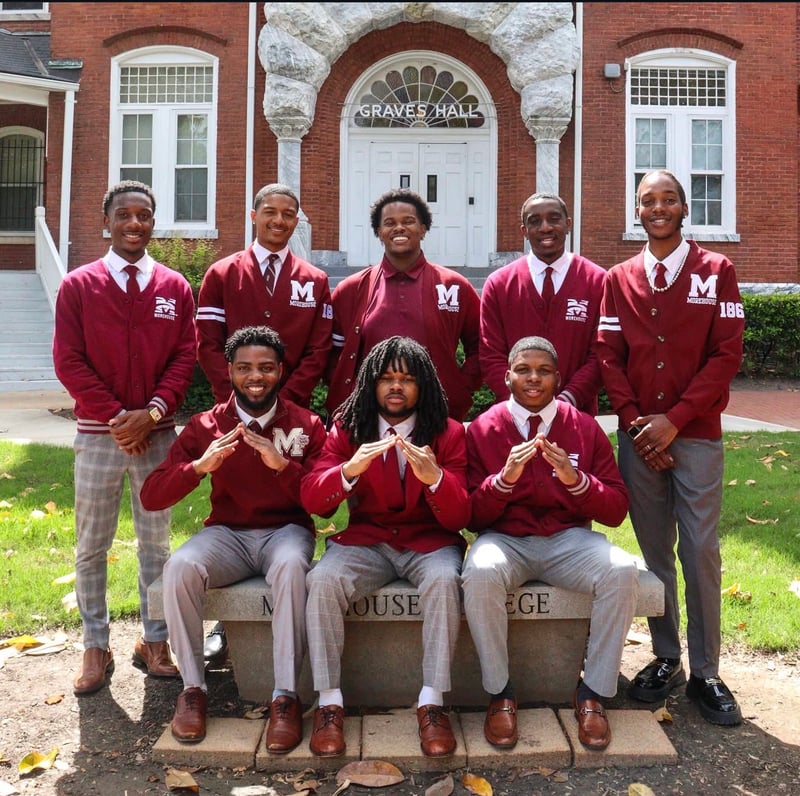
The mission of the Morehouse Education Department is to prepare students for a wide range of careers and advanced study in education and related fields. As a Historically Black College/University (HBCU), our vision is to close the representation gap for Black men in classrooms, schools, districts, and educational leadership roles.Morehouse College offers students a variety of options to gain a deep understanding of the theories, practices, and policies that will permit them to make meaningful impact in the education field.
The Education Department is led by accomplished faculty who are also experienced scholar-practitioners. Our faculty are well-equipped to support aspiring educators as they develop the competencies required to teach, lead or serve in culturally responsive learning environments.
Students who are Education Majors and Minors will participate in immersive field experiences that are integrated into their Morehouse academic program’s coursework. These field experiences encourage students to apply what they have learned in real-world contexts. Morehouse students who pursue the study of Education have several options:
- Bachelor of Arts in Education Studies: This degree program prepares students for a wide range of advanced study and/or careers in, or adjacent to the education sector, including but not limited to teaching, law, education technology, public policy, counseling and social services, and many others. Students who wish to pursue teaching after graduation are encouraged to complete a minor in the content area in which they will teach. Students pursuing certification to teach in Georgia should see the section marked: Georgia Teacher Certification.
- Bachelor of Arts in Elementary Education (in partnership with Spelman College): Students interested in teaching at the elementary level (grades PK-5) are equipped with the specialized knowledge and instructional skills required to support the youngest learners. Elementary Education majors will simultaneously complete requirements for the major (including one year of student teaching in their senior year) and certification to teach in Georgia.
- Georgia Teacher Certification: Students interested in obtaining Georgia certification to teach at the secondary level (grades 6-12 or P-12) will complete a Major in Education Studies and a minor in the content area in which they will teach. Students will hone their skills through coursework and field experiences required for a Georgia Educator’s License to teach grades 6-12/P-12 in their Major content area. Students will complete all requirements for Education Studies, as well as 20 credits in certification-eligibility coursework (including Student Teaching), as well as state requirements (such as Ethics exams, content exams, etc.).
- Education Studies Minor: This course of study includes four foundational Education courses and two electives, for a total of 18 credits. Students from a range of disciplines have completed the Minor to build their understanding of how people learn and the history and major theories of Education, with an emphasis on the study of Black educators and students.
-
Outcomes
Student Learning Outcomes
Framework Domain Department Student Learning Outcomes C
Cultural Relevance
SLO 1: Students will be able to critically interrogate their own learning experiences and attitudes, beliefs, and assumptions about learning to reorient to new mental models and cultural frames for education.
A
Appreciative Inquiry
SLO 2: Students will be able to use and advocate for Appreciative Inquiry to harness learners’ cultural strengths in the learning environment and organizational design.
SLO 3: Students will be able to use Appreciative Inquiry to challenge traditional problem-solving approaches by considering what an individual, organization (or school) does well, rather than focusing on its deficits.N
Neuroscience and Cognition
SLO 4: Students will be able to apply theories that consider how biological, emotional, sociological, and environmental factors impact student learning and performance, and promote understanding of how the mind and brain complement each other. D
Data Science and Digital Learning
SLO 5: Students will be able to apply learning theories, media, digital tools, and instructional methods that can be deployed in a variety of settings.
SLO 6: Students will be able to conduct and utilize research that leverages data science to drive decision-making.
L
Leadership Theory
SLO 7: Students will be able to identify, understand, and implement the principles, philosophies and theories of leaders and philosophers in education, social science and other disciplines that are applied in practice.>
E
Experiential Learning
SLO 8: Students will be able to authentically implement cycles of experiential learning, practice, feedback, and reflection that allow students to draw upon their personal and professional experiences.
-
Education Studies Major
Morehouse Education Programs of Study
Morehouse College provides a comprehensive, culturally-relevant, interdisciplinary approach to the formal study of Education. Morehouse students from any program of study can take Education courses, which may count as general electives or apply for requirements in their program.
There are two Majors (one at Morehouse; one at Spelman) and one Minor (at Morehouse) to choose from. Students pursuing classroom teaching are likely to choose a Major in Education Studies, however, students from a broad range of career goals, from education law and policy to social work, may also find a Major or Minor in Education Studies supports their goals. All Education Students students are encouraged to first meet with an Education Department advisor to determine their Education Studies Pathway (listed below) and the appropriate course of study to complete their Pathway. The ELITE Pathways help students to set goals, and choose coursework, experiences, and opportunities that best align with the declared Pathway.
Explore (Education Policy, Advocacy, and Research) – Develops an understanding of the issues and policies that impact communities, students, and families from diverse backgrounds. Prepares majors for graduate study and a broad range of career opportunities in organizations and agencies that promote equity and social justice in education. Students may want to focus on elective coursework in Sociology, Political Science, and/or Education to support this goal.
Lead (Leadership and Administration) – Promotes mastery and the development of leadership competencies students need to effectively serve in roles beyond the classroom. Prepares aspiring leaders for a variety of opportunities in education and other roles that support the business of teaching and learning. Students may want to focus on elective coursework in Leadership, Communications, and/or Education to support this goal.
Innovate (Social Entrepreneurship in Education) – Supports enterprising students who want to create innovative programs, instructional models, and inventions that break barriers and advance educational opportunities for all learners. Students may want to focus on elective coursework in Business and/or Computer Science to support this goal.
Teach (Educator Preparation) – Provides a pathway for students who wish to teach with the necessary courses, experiences and field placements that prepare them to effectively serve in various instructional settings and school models. Students who choose to complete Georgia certification in a content area in which Morehouse is an approved Educator Preparation Provider (EPP) will be required to complete a minor in their content area of certification and specific electives, including Student Teaching. Students who will not be completing certification may want to focus on elective coursework in Africana Studies, Psychology, Sociology, and/or Education to support this goal.
Engage (Community and Family Engagement) Examines the influence of external organizations, agencies and social movements on a variety of stakeholders. Prepares students to make an impact in roles that support the academic, socio-emotional, and spiritual well-being of students, their families and communities. Students may want to focus on elective coursework in Sociology, Psychology, and/or Communications to support this goal.
Education Studies Major
The Morehouse Education Studies Major provides two pathways to education careers: an Education Studies degree focused on teaching without certification (independent schools, teaching abroad, pursuing certification after graduation) and/or related educational careers (education policy, educational technology, education leadership, education law, etc.) OR an Education Studies degree focused on graduating with a Georgia Provisional Teaching certificate in P-12 (Computer Science or Music), or 6-12 (English or Biology)--note: additional content area certifications will be added annually. Please see an Education Advisor or email EducationDepartment@morehouse.edu for more information.
Education Studies
The Education Studies degree requires 38 credits of Education coursework and 12 elective credits aligned to the student’s declared ELITE career path (see list below). For example, students interested in educational technology are strongly advised to take Computer Science elective courses; students interested in public policy/law are strongly advised to take political science and/or pre-law elective courses.
Students pursuing Georgia provisional certification in Biology, English, Music, or Computer Science will complete the 4-course sequence (20 credits) required for certification as their electives (for a total of 58 credits in Education).
Students who plan to pursue Georgia provisional certification or will pursue teaching without a credential (abroad, independent school, alternative certification, graduate school teaching program) are required to declare a Minor in the content area in which they plan to teach. Up to 2 courses from this Minor may be applied to Education Studies Major electives.
Education Studies (P-12 or 6-12 Certification)
Students who choose to pursue P-12 or 6-12 certification in a content area offered by Morehouse College must apply for admission to the program prior to their Junior year and after taking at least 2 of the following courses: HEDU 305, HEDU 204, HEDU 300, or HEDU 311. Students must have an overall GPA of 2.5 and are required to earn a B or higher in all major coursework.
Required Courses in HEDU (38 hours)
- HEDU 305 Orientation to Education (3)
- HEDU 204 Educational Psychology (3)
- HEDU 300 Exceptional Learners (3)
- HEDU 435 Research in Child Development (3)
- HEDU 312 School Design and Leadership (3)
- HEDU 311 Developmental Literacy (3)
- HEDU 407 Advocacy in Urban Schools (3)
- HEDU 338 Junior Research Seminar (2)
- HEDU 399 Practicum (3)
- HEDU 442 Internship (9)
- HEDU 438 Senior Thesis (3)
Program Electives/Pathway Courses (12 Credit Hours)
In consultation with his assigned advisor, each student will select 12 credits from an approved list of Pathway Courses. This customization allows students to make interdisciplinary connections, and helps develop the knowledge, skills and understanding necessary for the successful completion of the required internship and practicum. Note that students pursuing certification will be required to complete four courses for certification as their electives (as well as a minor in the content area in which they are pursuing certification). See a full list of courses offered here.
Total Required Credit Hours for Education Studies Major: 50*
*Note that students pursuing Georgia state provisional licensure will complete ≥52 credits.
Education Department Honors
Education Studies Majors who complete their program of study with distinction may be eligible to earn Department Honors upon graduation. These students are recognized in a special Crown Forum and will earn a medal to wear with their regalia during the graduation proceedings.
Requirements for Department Honors
- Must be eligible for Latin Honors (3.25 cumulative GPA or above)
- GPA in the Education Major of 3.5 or higher
- No grade lower than a B in any course required for Major (including electives courses
- ≥200 documented hours of field experience (140 is required for coursework; 60 additional hours in the field required)
- Presentation of research at an academic conference (DreamMakers and/or other venue: CANDLE, BMEC, etc)
- Certification/completion of at least two certifications (CDC Trauma, Cox Campus Literacy, Restorative practices, Georgia teaching certification, etc.)
- Volunteer participation at 3 or more MCEE events and/or department outreach initiatives (must be documented and verified in Servant Leaders platform
- Faculty recommendation (recommendation from at least 3 Education Department faculty members)
-
Education Studies Minor
Education Studies Minor (18 Credit Hours)
The Education Studies Minor allows students to study a wide variety of important educational issues and is open to all majors. Students pursuing the Education Studies Minor must complete four required Education Studies courses and two elective courses (from the list of electives below. See an Education Department Advisor for more information about allowable electives).
Program Requirements
- A grade of C or higher in required Education Studies courses
- Pre-approval of Elective Courses by an Education Department advisor
Required Courses for Education Studies Minor (12 credits)
HEDU 305 Orientation to Education (3)
HEDU 204 Educational Psychology (3)
HEDU 407 Advocacy in Urban Schools (3)
HEDU 435 Research in Child Development (3)Elective Courses Options for Education Studies Minor (6 credits)
HEDU 312 School Design and Leadership (3)
HEDU 300 Exceptional Learners (3)
HEDU 311 Developmental Literacy (3)
EDU 499 Special Topics in Education (3)
PSY 265 Developmental Psychology (3)
PSY 270 Community Psychology (3)
Total Required Credit Hours for Education Studies Minor: 18
-
Elementary Education Major
Elementary Education Major
The Elementary Education Major offers eligibility for certification to teach in Georgia public schools in grades K-5. All education coursework and requirements for this major and the associated certification are completed at Spelman College. Morehouse students will still receive advising and support from the Morehouse Education Department.Interested students must complete SEDU 206: Orientation to Education with a B or better before the conclusion of their sophomore year. Once the course is completed, students may submit an application to the program through the Spelman Education Department. Required courses are then made available to accepted students on a cohort basis in a student’s last two years of their undergraduate degree program.
Please note all certification candidates are required to complete field experiences throughout the program, including Student Teaching (part-time in the fall; full-time in the spring) in their final year, as well as state assessments in educator ethics, literacy, and Elementary Education.
Education courses completed at Morehouse College do not apply to the Elementary Education Major, and students must be accepted into the Spelman program in order to apply for any courses after SEDU 206 that count toward their major.
See the Spelman catalog for the current year and the website here for more information.
-
Teacher Certification
Teacher Certification
Certification Overview
The Morehouse College Education Department is authorized by the Georgia State Professional Standards Commission (GaPSC) as an Educator Preparation Provider (EPP). This means students who formally apply and are accepted into the program and complete the required course of study will be eligible to graduate with Georgia T-1 certification. The Elementary Education certification program is completed at Spelman College. As of the SY 2025-26, Morehouse College offers coursework required for certification in Biology (6-12), English (6-12), Computer Science (P-12), and Music (P-12). Additional content areas of certification are added each year–check with an advisor for the certification pathways currently available.
Any student who intends to pursue teacher certification as an undergraduate must maintain a minimum GPA (2.5 for Morehouse programs and 2.7 GPA for Spelman programs) and participate in state requirements (pre-service certification, ethics exam, content and literacy assessments, student teaching, etc.), in addition to completing required coursework in their program. All teacher candidates must complete pre-requisite coursework in their freshman and sophomore years (SEDU 206 for P-5 certification and two of the “core four” courses at Morehouse for P-12 or 6-12 certification). Students must formally apply to their program and be accepted before registration opens in spring of their sophomore year to access required coursework, which begins in fall of their junior year. Note that both the Spelman and Morehouse certification programs require a full year of student teaching in the senior year: part-time in the fall semester and full-time in the spring semester.
All teacher candidates (in Spelman and Morehouse programs) participate in Education Department events and are eligible for opportunities like graduate school advising and scholarships and receive advising from the Morehouse Education Department.
P-12 and 6-12 Certification at Morehouse College
Students interested in pursuing certification to teach a P-12 or 6-12 content area for which Morehouse College is authorized as an Educator Preparation Provider (EPP) will graduate with a Bachelor of Arts in Education Studies and a Minor in the content area in which they pursued certification. Candidates will need to complete at least two of the four core Education courses with a B or better before the end of their sophomore year to apply to the program. These courses are:
- HEDU 305: Orientation to Education
- HEDU 204: Educational Psychology
- HEDU 311: Developmental Literacy (offered only in fall)
- HEDU 300: Exceptional Learners (offered only in spring)
Once at least two of these courses have been completed (and before registration for junior year), students are eligible to formally apply for the teacher certification program. In order to be eligible, students must have:
- Completed at least 2 of the core four courses with a B or better
- Completed at least two courses in the minor associated with the content area in which the student is pursuing certification (ie Biology certification candidates would need to have completed at least two courses required for the Biology minor) with a B or better
- A cumulative GPA of 2.5 or higher
APPLY HERE
Once an application has been received, the Director of Teacher Education will review the application and transcripts for eligibility and contact the applicant to collect any additional information required to make a determination.
Students accepted into the Morehouse EPP will be required to complete the Education Studies Major, a minor in the content area of their certification, and the 20 credits of teacher preparation coursework that will count toward the elective requirement for the Education Studies Major. The table below outlines when classes and requirements should be completed.
-
Morehouse EPP Course Sequence/Checkpoints (Georgia Certification Pathway)
Students will concurrently complete a minor in the content area of their intended certification. Note that additional courses in the content area may be necessary to prepare for content exams.
Courses Credits Offered Recommended For Course Content HEDU 305: Orientation to Education 3 Fall/Spring Fresh Overview of history and theory of education with a focus on Black, male educators HEDU 204: Educational Psychology 3 Fall/Spring Fresh/Soph Psychology of learning with foundations of developmental and social psychology, neuroscience of learning HEDU 300: Exceptional Learners 3 Spring only Soph Provides understanding of different types of exceptional learners and strategies to support their learning HEDU 311: Developmental Literacy 3 Fall only Soph Overview of literacy acquisition and development (with strategies) over all stages of schooling HEDU 435: Research in Child Development 3 Fall only Fresh/Soph/Ju Explores most recent research on child development and factors that inform development HEDU 312: School Design and Leadership 3 Fall/Spring Soph/Ju Exploration of school model elements, leadership styles. Students create a model school using covered design elements and theories. HEDU 407: Advocacy in Urban Schools 3 Fall/Spring Soph/Ju Study of theories, philosophies, and strategies to support urban schools and learners. HEDU 338: Junior Research Seminar 2 Spring only Junior only Research project on a problem of practice associated with student’s Pathway. Students will earn certificates in Coursera and Google Learning and present at the DreamMakers Summit. HEDU 441: Practicum 3 Spring only Junior only 40-hour field experience in a partner site to explore a problem of practice and use the Liberatory Design Framework to strategize solutions. HEDU 442: Internship 9 Fall only Senior only 100-hour internship at a partner site to work in a role that supports students’ Pathway. For certification candidates, this will be the first half of the year in your assigned student teaching classroom. HEDU 438: Senior Thesis 3 Spring only Senior only Intensive research on problem of practice at internship site to deepen understanding. Certification candidates may waive this requirement. Total required education credits for Ed Studies Major: 35-38 At least 2 of the courses in blue must be completed with a B or better prior to registration for fall of junior year to apply for the certification program. Acceptance into EPP: Once students have completed at least 2 of the four courses in blue (above) with a B or better and before registration for fall of junior year, they may apply to the EPP. Only those students accepted into the EPP will be allowed to register for HEDU 444 and 451. Once accepted into the EPP, teacher candidates will be supported in applying for their Pre-Service Certification from the Georgia Professional Standards Commission, which requires a cleared background check, completed application, and passing score on the Ethics Exam. HEDU 444: Curriculum and Methods in Content 3 Fall only Junior only Content-specific coursework exploring K-12 standards in your content area and strategies to teach these standards. HEDU 451: Seminar I 3 Fall only Junior only Deep dive into content and pedagogical strategies. Includes content-based GACE prep. GACE Content Assessment: Teacher candidates are required to pass their assigned GACE content and literacy assessments prior to placement in Internship in fall of senior year. HEDU 452: Seminar II 2 Spring only Senior only Coursework to reflect on student teaching experience and build pedagogical and culture-building strategies. HEDU 458: Student Teaching 12 Spring only Senior only Full-time assignment (M–F, 8–5) to a public school classroom; includes lesson planning and responsibility for implementation of instruction. - If a student is not accepted into the EPP (for Spelman and Morehouse programs) before the registration period for fall of junior year, they will not be eligible to complete certification as an undergraduate.
- Any student whose GPA drops below a 2.5 will be put on probation and have one semester to bring their GPA up to the required minimum. If their GPA does not sufficiently increase, they will be dropped from the EPP (but not the Education Studies Major)
- State certification requirements like student teaching (≥600 hours), the GACE literacy assessments, and GACE content assessments are required for certification. Students must complete the coursework AND these requirements to earn certification. Students who are unable to meet these requirements will be encouraged to complete the Education Studies Major without certification.
- Morehouse education coursework does not count toward course requirements for the Spelman Elementary Education program.
-
Field Experiences
A critical element of the Morehouse EPP is robust field experiences in diverse education settings. These experiences are categorized in four levels, with some taking place on campus and some off-campus. All field experiences are required to be tracked in students’ Watermark portfolio.
Prior to admission to the EPP, candidates will complete Level 1 and 2 fieldwork requirements as part of coursework. Candidates will engage in Level 3 and 4 experiences following certification as a Pre-Service Educator.
During Student Teaching, candidates complete the requirement for one full year of fieldwork in an assigned classroom. The Georgia Professional Standards Commission defines this requirement as 600 total hours, achieved through part-time assignment in the fall and full-time assignment in the spring. Teacher candidates are evaluated by a Morehouse supervisor and cooperating teacher/mentor. Candidates who do not successfully complete field experience requirements will not be eligible for certification (but may still earn the Bachelor of Arts in Education Studies).
Each course that requires field experience (including Student Teaching) is tracked through the student’s Watermark portfolio. SSpecific policies related to fieldwork can be found in the course syllabi and/or Morehouse Teacher Candidate Handbook.
Placement Policy Statement
Morehouse College Education Department has contractual agreements with area school districts that allow us to place teacher candidates for field experiences. All field placements are arranged by the Site Supervisor in accordance with procedures set forth in the contractual agreements. Candidates are required to experience a minimum of two different placements in terms of school demographics.
Who We Are, What We Do
The mission of the Morehouse Education Department is to prepare students for a wide range of careers and advanced study in education and related fields. As a Historically Black College/University (HBCU), our vision is to close the representation gap for Black men in classrooms, schools, districts, and educational leadership roles.Morehouse College offers students a variety of options to gain a deep understanding of the theories, practices, and policies that will permit them to make meaningful impact in the education field.
The Education Department is led by accomplished faculty who are also experienced scholar-practitioners. Our faculty are well-equipped to support aspiring educators as they develop the competencies required to teach, lead or serve in culturally responsive learning environments.
Students who are Education Majors and Minors will participate in immersive field experiences that are integrated into their Morehouse academic program’s coursework. These field experiences encourage students to apply what they have learned in real-world contexts. Morehouse students who pursue the study of Education have several options:
- Bachelor of Arts in Education Studies: This degree program prepares students for a wide range of advanced study and/or careers in, or adjacent to the education sector, including but not limited to teaching, law, education technology, public policy, counseling and social services, and many others. Students who wish to pursue teaching after graduation are encouraged to complete a minor in the content area in which they will teach. Students pursuing certification to teach in Georgia should see the section marked: Georgia Teacher Certification.
- Bachelor of Arts in Elementary Education (in partnership with Spelman College): Students interested in teaching at the elementary level (grades PK-5) are equipped with the specialized knowledge and instructional skills required to support the youngest learners. Elementary Education majors will simultaneously complete requirements for the major (including one year of student teaching in their senior year) and certification to teach in Georgia.
- Georgia Teacher Certification: Students interested in obtaining Georgia certification to teach at the secondary level (grades 6-12 or P-12) will complete a Major in Education Studies and a minor in the content area in which they will teach. Students will hone their skills through coursework and field experiences required for a Georgia Educator’s License to teach grades 6-12/P-12 in their Major content area. Students will complete all requirements for Education Studies, as well as 20 credits in certification-eligibility coursework (including Student Teaching), as well as state requirements (such as Ethics exams, content exams, etc.).
- Education Studies Minor: This course of study includes four foundational Education courses and two electives, for a total of 18 credits. Students from a range of disciplines have completed the Minor to build their understanding of how people learn and the history and major theories of Education, with an emphasis on the study of Black educators and students.
Student Learning Outcomes
|
Morehouse Education Programs of Study
Morehouse College provides a comprehensive, culturally-relevant, interdisciplinary approach to the formal study of Education. Morehouse students from any program of study can take Education courses, which may count as general electives or apply for requirements in their program.
There are two Majors (one at Morehouse; one at Spelman) and one Minor (at Morehouse) to choose from. Students pursuing classroom teaching are likely to choose a Major in Education Studies, however, students from a broad range of career goals, from education law and policy to social work, may also find a Major or Minor in Education Studies supports their goals. All Education Students students are encouraged to first meet with an Education Department advisor to determine their Education Studies Pathway (listed below) and the appropriate course of study to complete their Pathway. The ELITE Pathways help students to set goals, and choose coursework, experiences, and opportunities that best align with the declared Pathway.
Explore (Education Policy, Advocacy, and Research) – Develops an understanding of the issues and policies that impact communities, students, and families from diverse backgrounds. Prepares majors for graduate study and a broad range of career opportunities in organizations and agencies that promote equity and social justice in education. Students may want to focus on elective coursework in Sociology, Political Science, and/or Education to support this goal.
Lead (Leadership and Administration) – Promotes mastery and the development of leadership competencies students need to effectively serve in roles beyond the classroom. Prepares aspiring leaders for a variety of opportunities in education and other roles that support the business of teaching and learning. Students may want to focus on elective coursework in Leadership, Communications, and/or Education to support this goal.
Innovate (Social Entrepreneurship in Education) – Supports enterprising students who want to create innovative programs, instructional models, and inventions that break barriers and advance educational opportunities for all learners. Students may want to focus on elective coursework in Business and/or Computer Science to support this goal.
Teach (Educator Preparation) – Provides a pathway for students who wish to teach with the necessary courses, experiences and field placements that prepare them to effectively serve in various instructional settings and school models. Students who choose to complete Georgia certification in a content area in which Morehouse is an approved Educator Preparation Provider (EPP) will be required to complete a minor in their content area of certification and specific electives, including Student Teaching. Students who will not be completing certification may want to focus on elective coursework in Africana Studies, Psychology, Sociology, and/or Education to support this goal.
Engage (Community and Family Engagement) Examines the influence of external organizations, agencies and social movements on a variety of stakeholders. Prepares students to make an impact in roles that support the academic, socio-emotional, and spiritual well-being of students, their families and communities. Students may want to focus on elective coursework in Sociology, Psychology, and/or Communications to support this goal.
Education Studies Major
The Morehouse Education Studies Major provides two pathways to education careers: an Education Studies degree focused on teaching without certification (independent schools, teaching abroad, pursuing certification after graduation) and/or related educational careers (education policy, educational technology, education leadership, education law, etc.) OR an Education Studies degree focused on graduating with a Georgia Provisional Teaching certificate in P-12 (Computer Science or Music), or 6-12 (English or Biology)--note: additional content area certifications will be added annually. Please see an Education Advisor or email EducationDepartment@morehouse.edu for more information.
Education Studies
The Education Studies degree requires 38 credits of Education coursework and 12 elective credits aligned to the student’s declared ELITE career path (see list below). For example, students interested in educational technology are strongly advised to take Computer Science elective courses; students interested in public policy/law are strongly advised to take political science and/or pre-law elective courses.
Students pursuing Georgia provisional certification in Biology, English, Music, or Computer Science will complete the 4-course sequence (20 credits) required for certification as their electives (for a total of 58 credits in Education).
Students who plan to pursue Georgia provisional certification or will pursue teaching without a credential (abroad, independent school, alternative certification, graduate school teaching program) are required to declare a Minor in the content area in which they plan to teach. Up to 2 courses from this Minor may be applied to Education Studies Major electives.
Education Studies (P-12 or 6-12 Certification)
Students who choose to pursue P-12 or 6-12 certification in a content area offered by Morehouse College must apply for admission to the program prior to their Junior year and after taking at least 2 of the following courses: HEDU 305, HEDU 204, HEDU 300, or HEDU 311. Students must have an overall GPA of 2.5 and are required to earn a B or higher in all major coursework.
Required Courses in HEDU (38 hours)
- HEDU 305 Orientation to Education (3)
- HEDU 204 Educational Psychology (3)
- HEDU 300 Exceptional Learners (3)
- HEDU 435 Research in Child Development (3)
- HEDU 312 School Design and Leadership (3)
- HEDU 311 Developmental Literacy (3)
- HEDU 407 Advocacy in Urban Schools (3)
- HEDU 338 Junior Research Seminar (2)
- HEDU 399 Practicum (3)
- HEDU 442 Internship (9)
- HEDU 438 Senior Thesis (3)
Program Electives/Pathway Courses (12 Credit Hours)
In consultation with his assigned advisor, each student will select 12 credits from an approved list of Pathway Courses. This customization allows students to make interdisciplinary connections, and helps develop the knowledge, skills and understanding necessary for the successful completion of the required internship and practicum. Note that students pursuing certification will be required to complete four courses for certification as their electives (as well as a minor in the content area in which they are pursuing certification). See a full list of courses offered here.
Total Required Credit Hours for Education Studies Major: 50*
*Note that students pursuing Georgia state provisional licensure will complete ≥52 credits.
Education Department Honors
Education Studies Majors who complete their program of study with distinction may be eligible to earn Department Honors upon graduation. These students are recognized in a special Crown Forum and will earn a medal to wear with their regalia during the graduation proceedings.
Requirements for Department Honors
- Must be eligible for Latin Honors (3.25 cumulative GPA or above)
- GPA in the Education Major of 3.5 or higher
- No grade lower than a B in any course required for Major (including electives courses
- ≥200 documented hours of field experience (140 is required for coursework; 60 additional hours in the field required)
- Presentation of research at an academic conference (DreamMakers and/or other venue: CANDLE, BMEC, etc)
- Certification/completion of at least two certifications (CDC Trauma, Cox Campus Literacy, Restorative practices, Georgia teaching certification, etc.)
- Volunteer participation at 3 or more MCEE events and/or department outreach initiatives (must be documented and verified in Servant Leaders platform
- Faculty recommendation (recommendation from at least 3 Education Department faculty members)
Education Studies Minor (18 Credit Hours)
The Education Studies Minor allows students to study a wide variety of important educational issues and is open to all majors. Students pursuing the Education Studies Minor must complete four required Education Studies courses and two elective courses (from the list of electives below. See an Education Department Advisor for more information about allowable electives).
Program Requirements
- A grade of C or higher in required Education Studies courses
- Pre-approval of Elective Courses by an Education Department advisor
Required Courses for Education Studies Minor (12 credits)
HEDU 305 Orientation to Education (3)
HEDU 204 Educational Psychology (3)
HEDU 407 Advocacy in Urban Schools (3)
HEDU 435 Research in Child Development (3)
Elective Courses Options for Education Studies Minor (6 credits)
HEDU 312 School Design and Leadership (3)
HEDU 300 Exceptional Learners (3)
HEDU 311 Developmental Literacy (3)
EDU 499 Special Topics in Education (3)
PSY 265 Developmental Psychology (3)
PSY 270 Community Psychology (3)
Total Required Credit Hours for Education Studies Minor: 18
Elementary Education Major
The Elementary Education Major offers eligibility for certification to teach in Georgia public schools in grades K-5. All education coursework and requirements for this major and the associated certification are completed at Spelman College. Morehouse students will still receive advising and support from the Morehouse Education Department.Interested students must complete SEDU 206: Orientation to Education with a B or better before the conclusion of their sophomore year. Once the course is completed, students may submit an application to the program through the Spelman Education Department. Required courses are then made available to accepted students on a cohort basis in a student’s last two years of their undergraduate degree program.
Please note all certification candidates are required to complete field experiences throughout the program, including Student Teaching (part-time in the fall; full-time in the spring) in their final year, as well as state assessments in educator ethics, literacy, and Elementary Education.
Education courses completed at Morehouse College do not apply to the Elementary Education Major, and students must be accepted into the Spelman program in order to apply for any courses after SEDU 206 that count toward their major.
See the Spelman catalog for the current year and the website here for more information.
Teacher Certification
Certification Overview
The Morehouse College Education Department is authorized by the Georgia State Professional Standards Commission (GaPSC) as an Educator Preparation Provider (EPP). This means students who formally apply and are accepted into the program and complete the required course of study will be eligible to graduate with Georgia T-1 certification. The Elementary Education certification program is completed at Spelman College. As of the SY 2025-26, Morehouse College offers coursework required for certification in Biology (6-12), English (6-12), Computer Science (P-12), and Music (P-12). Additional content areas of certification are added each year–check with an advisor for the certification pathways currently available.
Any student who intends to pursue teacher certification as an undergraduate must maintain a minimum GPA (2.5 for Morehouse programs and 2.7 GPA for Spelman programs) and participate in state requirements (pre-service certification, ethics exam, content and literacy assessments, student teaching, etc.), in addition to completing required coursework in their program. All teacher candidates must complete pre-requisite coursework in their freshman and sophomore years (SEDU 206 for P-5 certification and two of the “core four” courses at Morehouse for P-12 or 6-12 certification). Students must formally apply to their program and be accepted before registration opens in spring of their sophomore year to access required coursework, which begins in fall of their junior year. Note that both the Spelman and Morehouse certification programs require a full year of student teaching in the senior year: part-time in the fall semester and full-time in the spring semester.
All teacher candidates (in Spelman and Morehouse programs) participate in Education Department events and are eligible for opportunities like graduate school advising and scholarships and receive advising from the Morehouse Education Department.
P-12 and 6-12 Certification at Morehouse College
Students interested in pursuing certification to teach a P-12 or 6-12 content area for which Morehouse College is authorized as an Educator Preparation Provider (EPP) will graduate with a Bachelor of Arts in Education Studies and a Minor in the content area in which they pursued certification. Candidates will need to complete at least two of the four core Education courses with a B or better before the end of their sophomore year to apply to the program. These courses are:
- HEDU 305: Orientation to Education
- HEDU 204: Educational Psychology
- HEDU 311: Developmental Literacy (offered only in fall)
- HEDU 300: Exceptional Learners (offered only in spring)
Once at least two of these courses have been completed (and before registration for junior year), students are eligible to formally apply for the teacher certification program. In order to be eligible, students must have:
- Completed at least 2 of the core four courses with a B or better
- Completed at least two courses in the minor associated with the content area in which the student is pursuing certification (ie Biology certification candidates would need to have completed at least two courses required for the Biology minor) with a B or better
- A cumulative GPA of 2.5 or higher
APPLY HERE
Once an application has been received, the Director of Teacher Education will review the application and transcripts for eligibility and contact the applicant to collect any additional information required to make a determination.
Students accepted into the Morehouse EPP will be required to complete the Education Studies Major, a minor in the content area of their certification, and the 20 credits of teacher preparation coursework that will count toward the elective requirement for the Education Studies Major. The table below outlines when classes and requirements should be completed.
Students will concurrently complete a minor in the content area of their intended certification. Note that additional courses in the content area may be necessary to prepare for content exams.
| Courses | Credits | Offered | Recommended For | Course Content |
|---|---|---|---|---|
| HEDU 305: Orientation to Education | 3 | Fall/Spring | Fresh | Overview of history and theory of education with a focus on Black, male educators |
| HEDU 204: Educational Psychology | 3 | Fall/Spring | Fresh/Soph | Psychology of learning with foundations of developmental and social psychology, neuroscience of learning |
| HEDU 300: Exceptional Learners | 3 | Spring only | Soph | Provides understanding of different types of exceptional learners and strategies to support their learning |
| HEDU 311: Developmental Literacy | 3 | Fall only | Soph | Overview of literacy acquisition and development (with strategies) over all stages of schooling |
| HEDU 435: Research in Child Development | 3 | Fall only | Fresh/Soph/Ju | Explores most recent research on child development and factors that inform development |
| HEDU 312: School Design and Leadership | 3 | Fall/Spring | Soph/Ju | Exploration of school model elements, leadership styles. Students create a model school using covered design elements and theories. |
| HEDU 407: Advocacy in Urban Schools | 3 | Fall/Spring | Soph/Ju | Study of theories, philosophies, and strategies to support urban schools and learners. |
| HEDU 338: Junior Research Seminar | 2 | Spring only | Junior only | Research project on a problem of practice associated with student’s Pathway. Students will earn certificates in Coursera and Google Learning and present at the DreamMakers Summit. |
| HEDU 441: Practicum | 3 | Spring only | Junior only | 40-hour field experience in a partner site to explore a problem of practice and use the Liberatory Design Framework to strategize solutions. |
| HEDU 442: Internship | 9 | Fall only | Senior only | 100-hour internship at a partner site to work in a role that supports students’ Pathway. For certification candidates, this will be the first half of the year in your assigned student teaching classroom. |
| HEDU 438: Senior Thesis | 3 | Spring only | Senior only | Intensive research on problem of practice at internship site to deepen understanding. Certification candidates may waive this requirement. |
| Total required education credits for Ed Studies Major: 35-38 | ||||
| At least 2 of the courses in blue must be completed with a B or better prior to registration for fall of junior year to apply for the certification program. | ||||
| Acceptance into EPP: Once students have completed at least 2 of the four courses in blue (above) with a B or better and before registration for fall of junior year, they may apply to the EPP. Only those students accepted into the EPP will be allowed to register for HEDU 444 and 451. | ||||
| Once accepted into the EPP, teacher candidates will be supported in applying for their Pre-Service Certification from the Georgia Professional Standards Commission, which requires a cleared background check, completed application, and passing score on the Ethics Exam. | ||||
| HEDU 444: Curriculum and Methods in Content | 3 | Fall only | Junior only | Content-specific coursework exploring K-12 standards in your content area and strategies to teach these standards. |
| HEDU 451: Seminar I | 3 | Fall only | Junior only | Deep dive into content and pedagogical strategies. Includes content-based GACE prep. |
| GACE Content Assessment: Teacher candidates are required to pass their assigned GACE content and literacy assessments prior to placement in Internship in fall of senior year. | ||||
| HEDU 452: Seminar II | 2 | Spring only | Senior only | Coursework to reflect on student teaching experience and build pedagogical and culture-building strategies. |
| HEDU 458: Student Teaching | 12 | Spring only | Senior only | Full-time assignment (M–F, 8–5) to a public school classroom; includes lesson planning and responsibility for implementation of instruction. |
- If a student is not accepted into the EPP (for Spelman and Morehouse programs) before the registration period for fall of junior year, they will not be eligible to complete certification as an undergraduate.
- Any student whose GPA drops below a 2.5 will be put on probation and have one semester to bring their GPA up to the required minimum. If their GPA does not sufficiently increase, they will be dropped from the EPP (but not the Education Studies Major)
- State certification requirements like student teaching (≥600 hours), the GACE literacy assessments, and GACE content assessments are required for certification. Students must complete the coursework AND these requirements to earn certification. Students who are unable to meet these requirements will be encouraged to complete the Education Studies Major without certification.
- Morehouse education coursework does not count toward course requirements for the Spelman Elementary Education program.
A critical element of the Morehouse EPP is robust field experiences in diverse education settings. These experiences are categorized in four levels, with some taking place on campus and some off-campus. All field experiences are required to be tracked in students’ Watermark portfolio.
Prior to admission to the EPP, candidates will complete Level 1 and 2 fieldwork requirements as part of coursework. Candidates will engage in Level 3 and 4 experiences following certification as a Pre-Service Educator.
During Student Teaching, candidates complete the requirement for one full year of fieldwork in an assigned classroom. The Georgia Professional Standards Commission defines this requirement as 600 total hours, achieved through part-time assignment in the fall and full-time assignment in the spring. Teacher candidates are evaluated by a Morehouse supervisor and cooperating teacher/mentor. Candidates who do not successfully complete field experience requirements will not be eligible for certification (but may still earn the Bachelor of Arts in Education Studies).
Each course that requires field experience (including Student Teaching) is tracked through the student’s Watermark portfolio. SSpecific policies related to fieldwork can be found in the course syllabi and/or Morehouse Teacher Candidate Handbook.
Placement Policy Statement
Morehouse College Education Department has contractual agreements with area school districts that allow us to place teacher candidates for field experiences. All field placements are arranged by the Site Supervisor in accordance with procedures set forth in the contractual agreements. Candidates are required to experience a minimum of two different placements in terms of school demographics.
Contact Us
 Education Studies Department
Wheeler Hall 114830 Westview Dr.
Atlanta, GA 30314
Social media handles: @MorehouseEliteEducators
Phone: 404-301-6407
Email: EducationDepartment@morehouse.edu
Direct Contacts:
Chair: Horace.Ballenger@morehouse.edu
Assistant Chair: Kristin.Moody@morehouse.edu
Program Coordinator: Jennifer.Jones@Morehouse.edu
Meet Our Faculty and Staff
Dr. Justin Ballenger, Department Chair
Dr. Kristin Moody, Assistant Department Chair
Jennifer Jones, Department Coordinator

H. Justin Ballenger
Assistant Professor | Department Chair
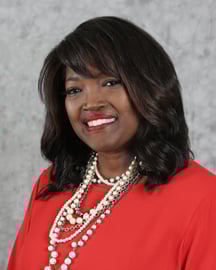
Nina Gilbert
Assistant Professor
Dr. William C. Greene Jr.
Assistant Director of Teacher Education
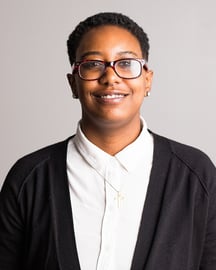
Tyler Little
Finance and Operations Program Manager

Terrance Scott Mitchell
Director of Academics and Strategic Initiatives

Kristin Moody
Director of Teacher Education | Assistant Chair